What it takes to keep Amish Furniture Shops Running | A.W. Machinery

Episode Recap
How do you build a machinery business for customers whose shops use everything from belt-driven power to robotic equipment?
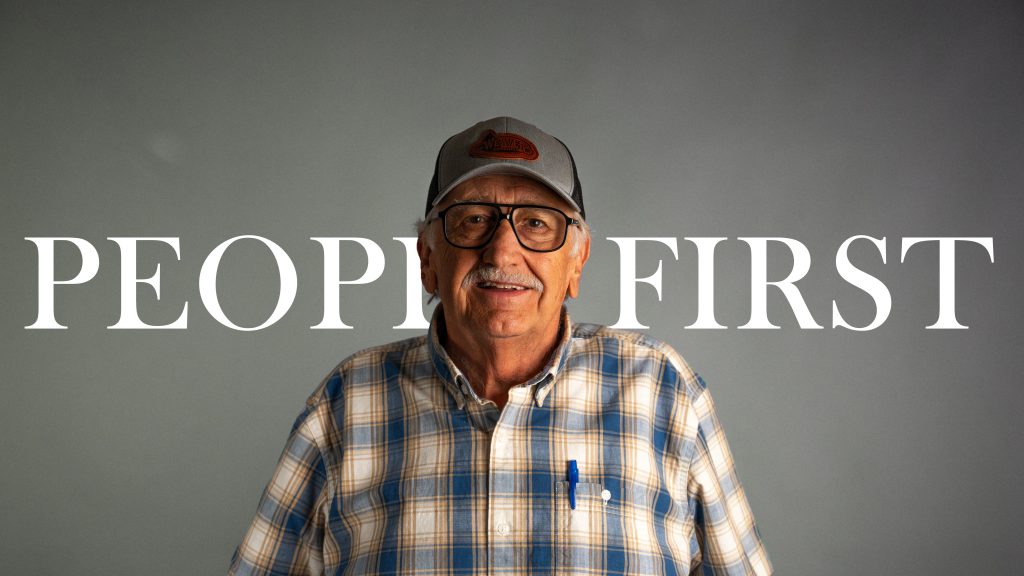
In this episode of The Learning Curve Podcast, host Josh Troyer talks with Dan Troyer, founder of A.W. Machinery, about growing up Amish, starting a business at 23, and helping woodworking shops find equipment that fits their needs and church standards. Dan shares the risks that shaped his early years and explains how his definition of success has changed.
Here are a few highlights from the conversation.
Start Before You Have It All Figured Out
Dan’s interest in machinery began at auctions. As a teenager, he bought used equipment and tried to resell it, learning the market through both good deals and mistakes.
When he started A.W. Machinery, he understood customer service better than he understood every machine he sold. He researched the questions he could not yet answer and kept building his knowledge. An early order for five planers sold quickly, giving him the confidence to bring in a full container.
The learning curve could be expensive. At one Kentucky auction, Dan bought more equipment than his truck could haul. He had to sell some of it before leaving, and the truck broke down on the way home. The surprise was that a small box of hard-to-find sanders earned him more than the larger machines.
Understand the Customer’s Constraints
A.W. Machinery serves Amish shops with different rules about power and technology, as well as non-Amish businesses. Dan explains that those rules vary among church groups and by location, so his team begins by asking each customer what their shop can use.
For some customers, that means converting a machine to run from a line shaft powered by an engine and connected to equipment with belts. Other shops can use generators and more automated machinery. Dan says his team’s job is to understand those boundaries and find a workable solution within them.
He has also seen how constraints lead to ingenuity. His team has helped adapt equipment to work with air power and sensors, while other shops have found creative ways to run tools without conventional electricity.
Build a Team That Knows What You Don’t
Dan is candid about his strengths: he enjoys finding opportunities, selling, and getting to know customers. Detailed machine conversions are the work of specialists.
In 2019, he acquired a machine shop whose team had years of experience converting and building equipment. Their expertise allowed A.W. Machinery to serve more customers and take on projects Dan could not have handled alone.
That combination of sales and technical knowledge matters after a machine is delivered, too. Conversions can add substantial cost, and customers need to know the equipment will work. Dan says the company stands behind the new machines its team converts.
Learn When to Say No
Dan still gets excited about a promising used machine or a new product line. But as A.W. Machinery has grown, he has become more selective about adding brands.
A new line requires more than a place in the catalog. The sales team must learn it, and the service team must be ready to support it. Dan says the company now turns down many vendors so it can give proper attention to the products it already offers.
Define Success Beyond the Sale
Early in his career, Dan measured success by finding a deal and turning a profit. That has changed.
During a difficult season, a mentor reminded him that his faith and purpose could not be measured by what his business earned. Dan now describes success as living where he believes God has called him, while caring for his family, personal life, and business.
He still loves the work and the people he meets through it. But his story is a reminder that building a successful company also means deciding what the company is for—and what matters outside it.