The Unspoken Truth About Impactful Leadership | Paul Weaver
Episode Recap
What does it take to build a company where people feel valued, stay engaged, and genuinely want to help one another succeed?
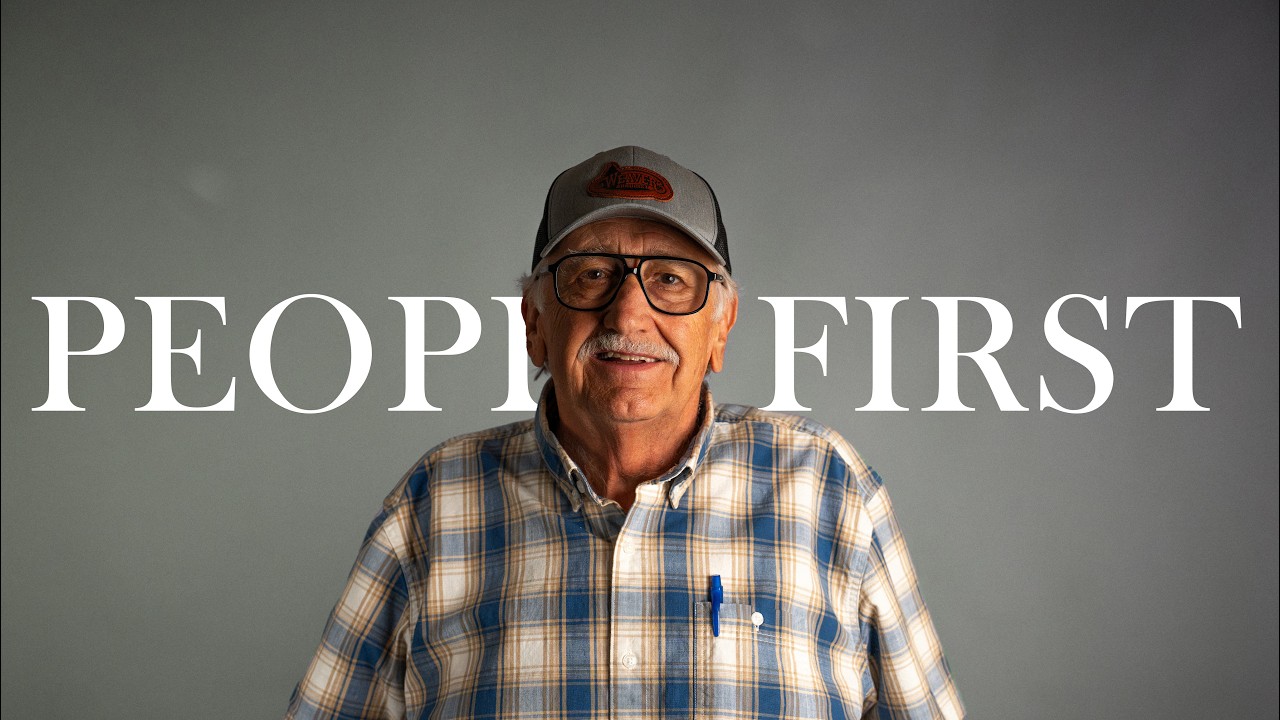
In this episode of The Learning Curve Podcast, Paul Weaver, former CEO of Weaver Leather, shares lessons from four decades of leadership. From stepping into the family business after his father’s sudden death to building a people-first culture, Paul explains why strong leadership begins with character, accountability, and relationships.
Here are a few highlights from the conversation.
People Know When You Care
For Paul, company culture was never built from a poster on the wall.
Every morning, he walked the floor with a cup of coffee, talked with employees, asked how they were doing, and listened. He made those conversations a priority—even scheduling meetings around that time.
His belief was simple: people do not care how much a leader knows until they know how much that leader cares.
That consistency created trust. Employees felt seen as people, not just workers, and many referred friends and family to work at Weaver Leather because they believed in the culture.
Address Problems Early—and Follow Up
Paul believes leaders should not avoid hard conversations.
When poor behavior or performance is ignored, everyone notices. It can lower standards, affect production, and signal that the problem is acceptable. Instead, Paul encourages leaders to address issues quickly, clearly explain expectations, and avoid letting problems “brew.”
But correction alone is not enough.
He emphasizes following up afterward: checking in, making sure the relationship is intact, and reminding the person that the goal is to help them succeed. In his view, being both direct and compassionate is part of good leadership.
Culture Comes Before Profit
Many businesses put making money at the top of the list. Paul sees it differently.
He believes leaders should focus first on developing their people. When people feel respected, understand the mission, and take ownership of their work, the financial results are more likely to follow.
At Weaver Leather, that included regular companywide meetings focused on character, culture, and company updates. Paul shared as much financial information as he reasonably could, helping employees understand where the money went—from inventory and wages to taxes and the small amount that remained as profit.
The more people understand the business, he says, the more they care about its success.
Hire for Fit, Strengths, and Character
Paul also stresses the importance of hiring carefully.
He used DISC assessments alongside conversations to better understand whether candidates would thrive in a particular role. The purpose was not just to fill openings, but to place people where their strengths could make the greatest impact.
His advice: hire slowly, and do not keep someone in a role that is clearly not the right fit. Leaders should also recognize their own weaknesses and hire people who complement them.
You do not need another version of yourself on the team—you need people whose strengths help the whole organization work better.
Start With the Person in the Mirror
When asked what a business owner should do first to improve a struggling culture, Paul’s answer was immediate: look in the mirror.
Culture starts with leadership. A company is unlikely to become healthy if its leader is unwilling to grow, receive feedback, own mistakes, and change harmful patterns.
Paul’s message throughout the episode is clear: great culture is not created through one big initiative. It is built through everyday actions—listening, telling the truth, keeping commitments, developing character, and adding value to the people around you.